
Residential Rehabilitation
More Than Accommodation — A Structured Living & Learning Environment
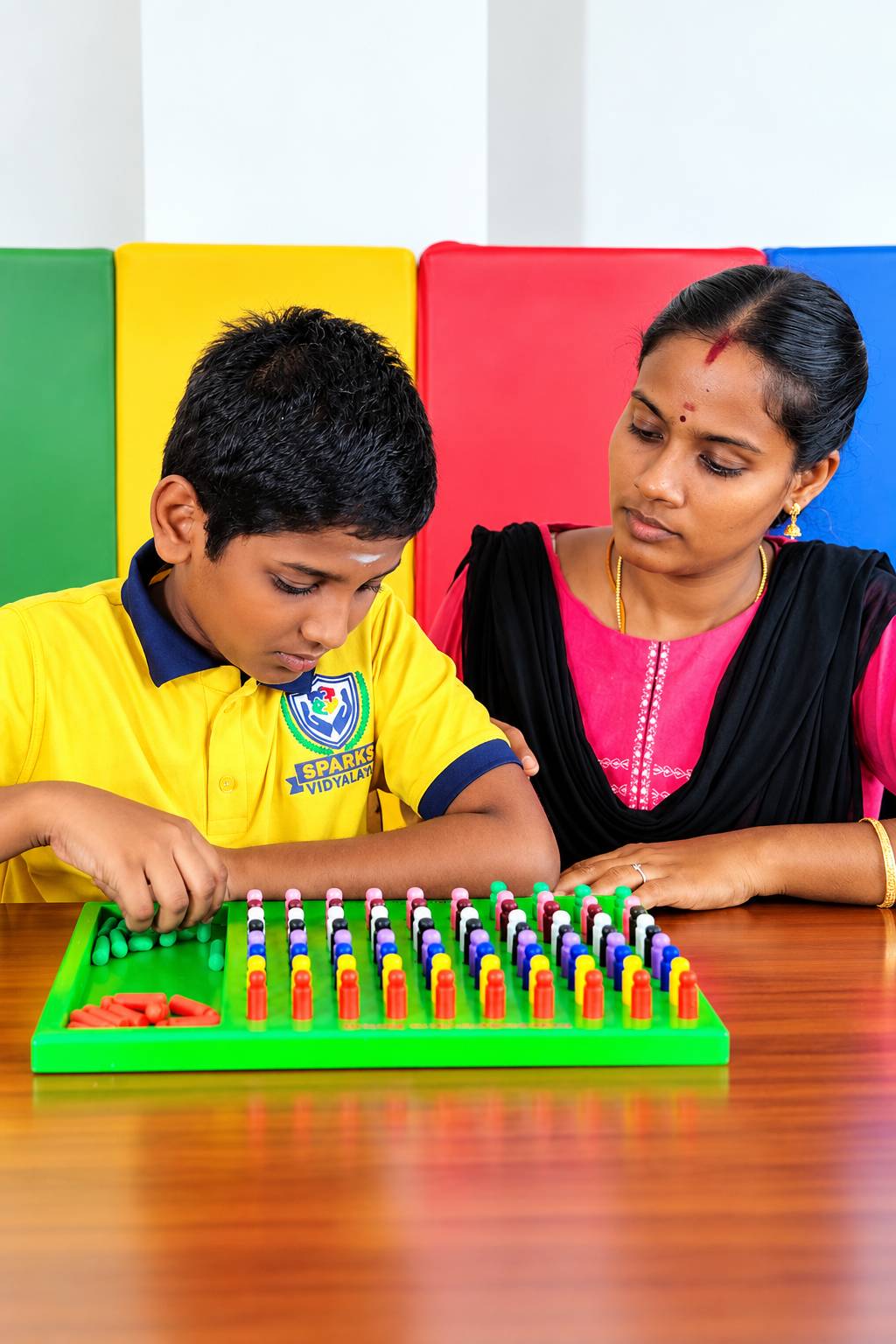
Residential rehabilitation at Autism Vidyashram is designed to provide opportunities for individuals to practise important life skills within everyday routines.
The residential environment focuses on:
Daily routines may include personal hygiene, dressing, mealtimes, organising belongings, household responsibilities, physical activity, learning programmes, recreation and relaxation.
It is to progressively help the individual participate, contribute, learn and become as independent as possible.
LIFE SKILLS &
INDEPENDENCE
From Dependence Towards Greater Independence
Independence may look different for every person with autism.
For one individual, independence may mean eating without assistance.
For another, it may mean communicating a need.
For someone else, it may mean completing a vocational task or participating in the community with minimal support.
We recognise and celebrate each meaningful step.
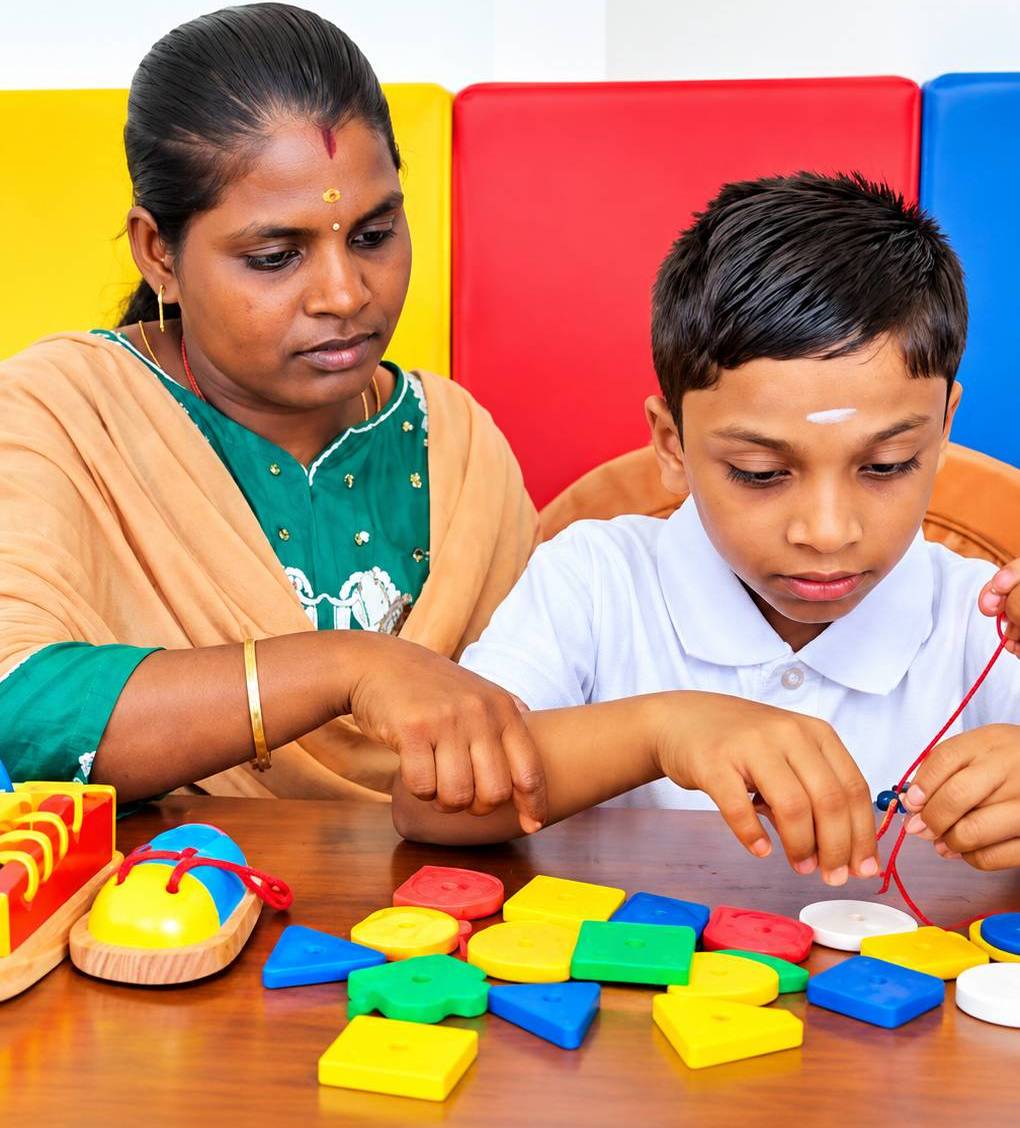
Our focus includes:
Self-Care
Communication
Household
Skills
Functional
Academics
Social
Participation
Community
Skills
Vocational
Ability
Greater
Independence
Purposeful Daily Living
Every day is an opportunity to learn, participate and grow.
Residential life should never become only food, accommodation and supervision.
Every day should provide opportunities for meaningful participation, learning and personal development.
A meaningful daily routine can provide predictability while creating opportunities for continuous development.
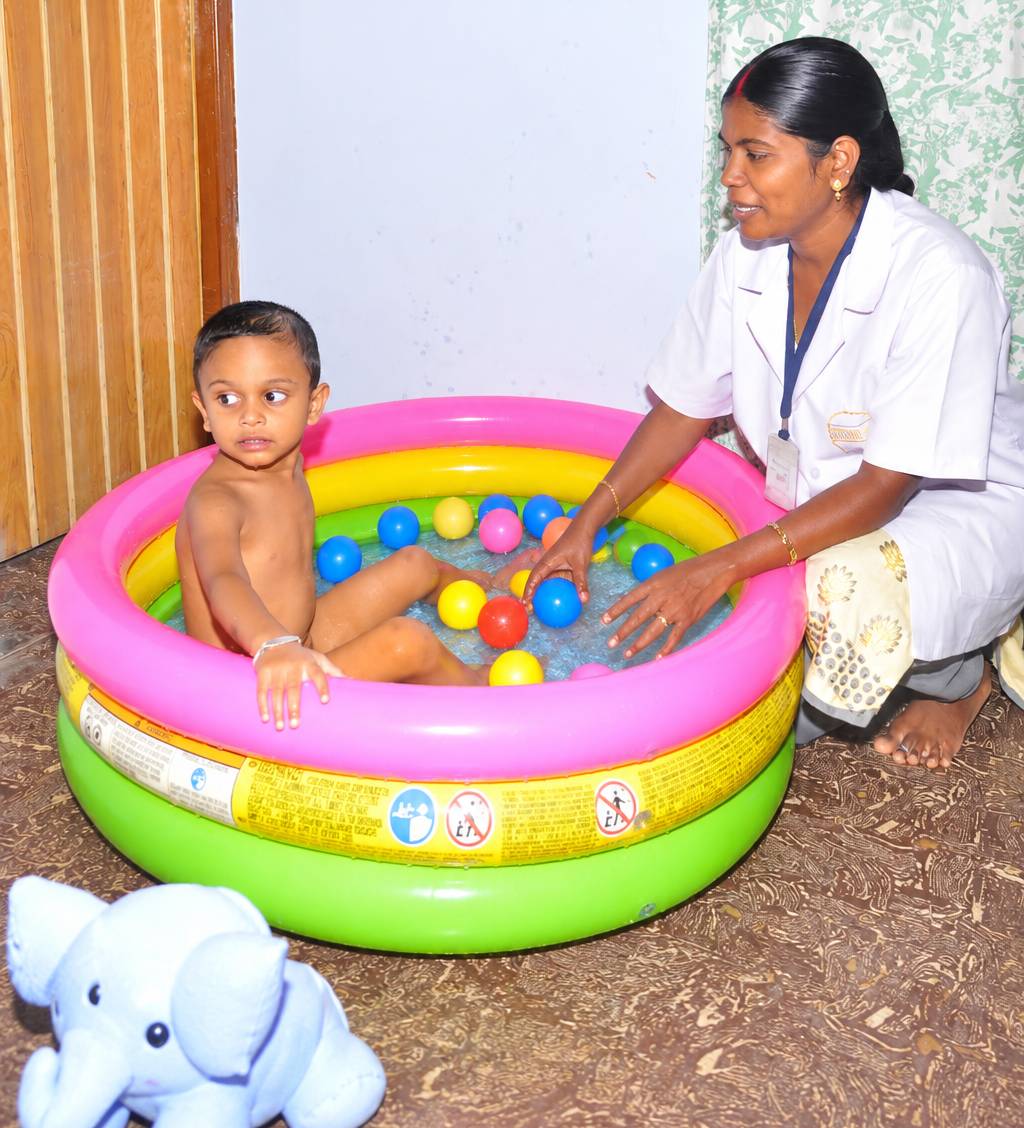
Learn • Participate • Grow
Meaningful routines create confidence, independence and a sense of purpose.
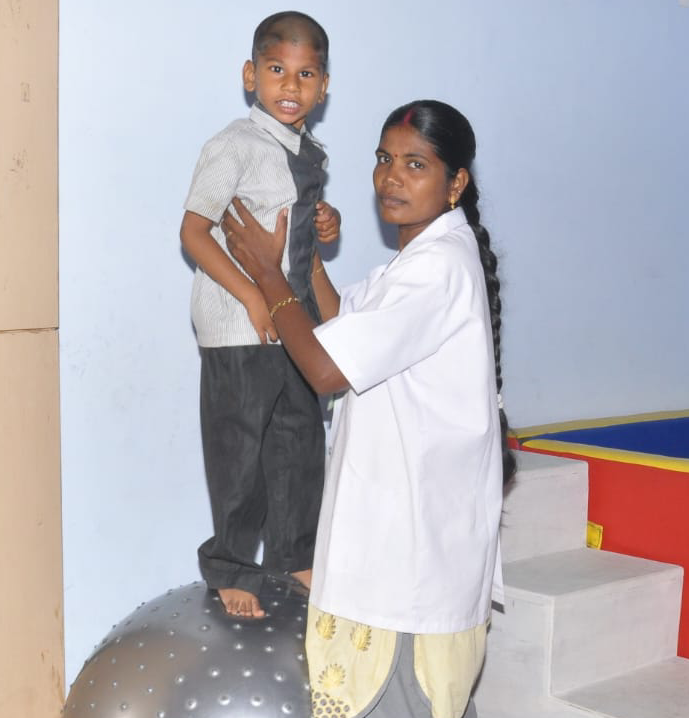
HEALTH & WELL-BEING
Supporting the Whole Person
We recognise that development is supported by overall well-being.
Our approach therefore gives importance to:
Nutrition
Activity
Routines
Hygiene
Well-being
when required
Supportive
Environments

Our nutrition philosophy is:
“Natural Food is Natural Medicine.” 🌿
Nutrition is viewed as one component of overall well-being and is not presented as a treatment or cure for autism.
FAMILY PARTNERSHIP
Parents Are Partners
Families possess valuable knowledge about their children. We therefore believe in constructive collaboration between parents and professionals.
Depending on individual needs, parents may participate in:
Consultation
Planning
Reviews
Support
Planning
Generalisation
Planning
INDIVIDUAL DEVELOPMENT PLANNING
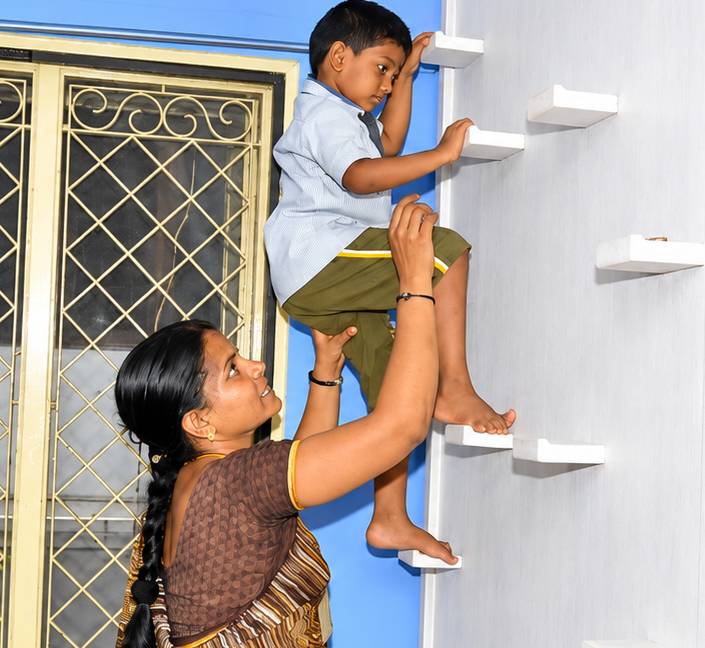
Every individual entering Autism Vidyashram has different abilities and support needs.
Our Approach
A structured and holistic planning process to understand, support and empower every individual on their unique journey.
Our developmental planning process may include:
Parent Consultation
Understanding concerns, priorities and expectations.
Individual Assessment
Understanding current functional abilities and areas requiring support.
Observation
Observing communication, behaviour, sensory needs, social interaction and adaptive functioning.
Goal Setting
Establishing realistic, meaningful and measurable developmental priorities.
Intervention & Daily Practice
Implementing goals across appropriate programmes and everyday routines.
Progress Review
Reviewing outcomes and modifying strategies when necessary.
Future Planning
Planning towards greater independence, meaningful engagement and long-term quality of life.
COMMUNITY PARTICIPATION
Learning Beyond the Classroom
Life skills need to work in the real world.
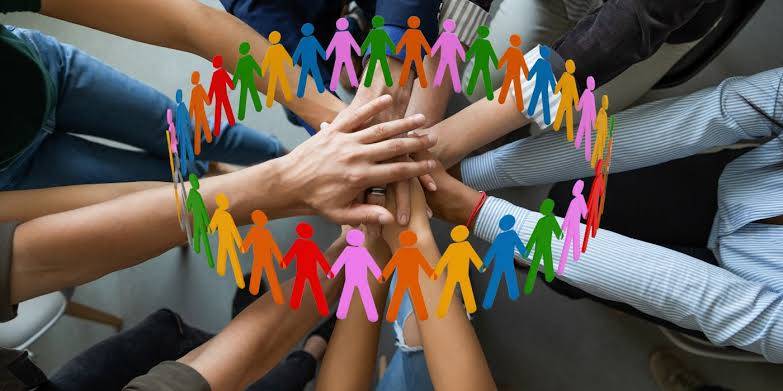
Where appropriate, individuals are encouraged to develop skills required for participation in community environments.
These may include:
Shopping
Travel
Recreation
Social Events
Community Safety
Money Handling
Public Behaviour
Appropriate Social Interaction
Workplace Readiness
Building confidence, independence and meaningful participation in everyday community life.